
Start with the actual job
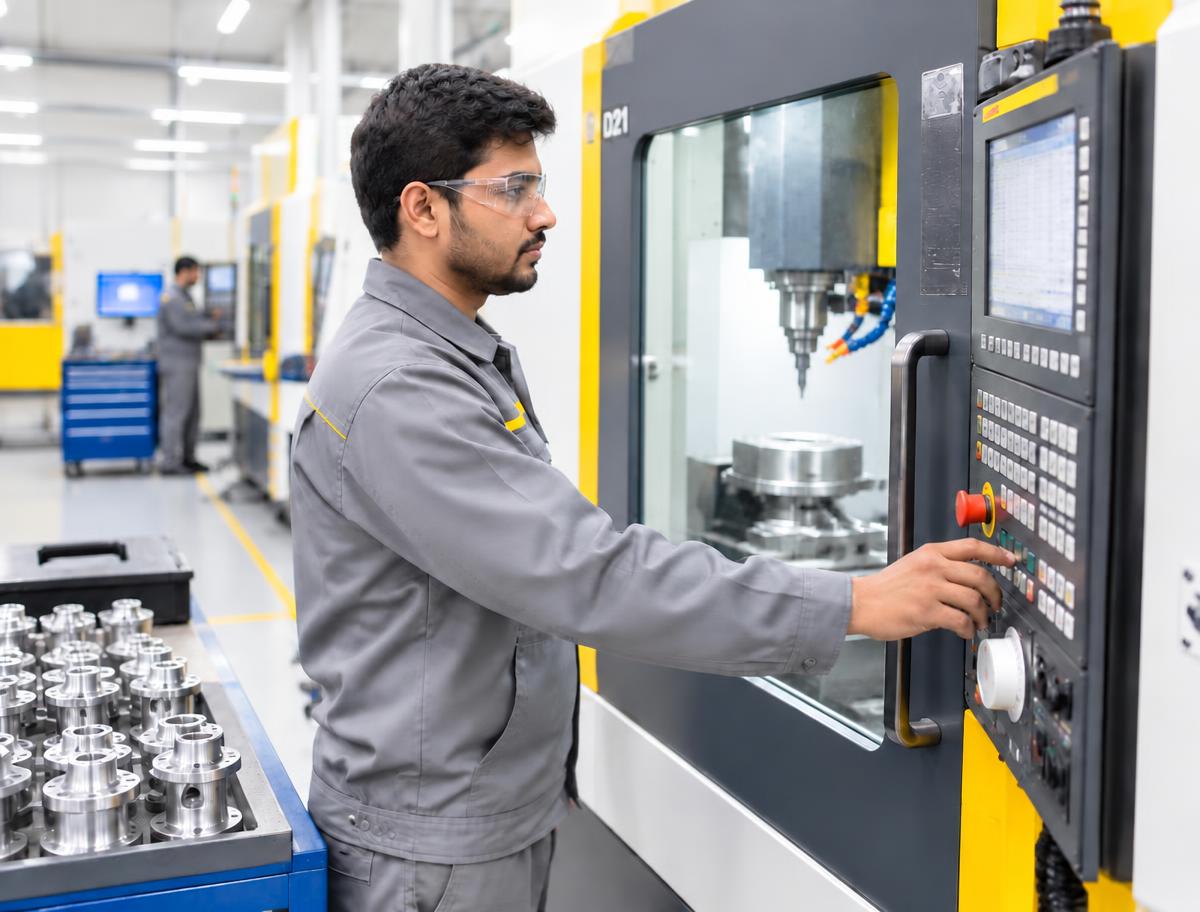
Hiring Pakistani workers starts with a clear description of the work, not just a trade name. Record the machines, materials and tasks involved, together with the shift pattern and the experience needed. For a CNC role, explain whether the operator will load parts, check measurements or adjust a programme. Separating these tasks helps you compare candidates fairly and avoid asking for experience that the position does not actually require.
Use a relevant practical assessment
A trade test should resemble a safe sample of the job. Agree on assessment criteria before watching the candidate: task sequence, measurement, equipment handling and awareness of hazards. Ask the worker to explain the choices made during the test. A good result on unfamiliar equipment may still require training on your own production line. Record that training need instead of assuming that a test removes the need for onboarding.
Ask for examples in the interview
Ask what equipment the candidate used in the last workplace and what tasks were completed during a normal shift. Questions about reporting a fault, checking a finished part or handing work to the next shift reveal more than broad claims about experience. Provide language support where necessary. A candidate who needs help understanding an interview question should not automatically be judged as lacking technical skill.
Plan the start before confirming selection
Explain the location, duties, shift arrangement and accommodation arrangements in a form the candidate understands. Check the documents and permissions needed for the individual application; successful selection is not itself permission to work. Assign a workplace contact for the first days and arrange follow-up discussions with both the supervisor and the worker. A clear handover helps the new employee understand expectations without relying on assumptions.